November 2025: November: Guinness Arrives (Finally), Outdoor LCBF and London Breweries' Pubs Rush
A monthly newsletter about London beer and pubs written by Will Hawkes
Do you enjoy London Beer City? Please donate £10 to keep it alive
Those Who Wait
The streets surrounding Covent Garden’s Piazza are strikingly quiet at 10am on a Thursday morning. The pubs are shut, the shoppers haven’t yet arrived from the provinces, and the street performers are presumably (and happily) still in bed. You could easily film a scene of the latest BBC bodice-ripper - two, even, if Keira Knightly pulled her finger out - without worrying that a baseball-capped herbert might wander gormlessly into shot.
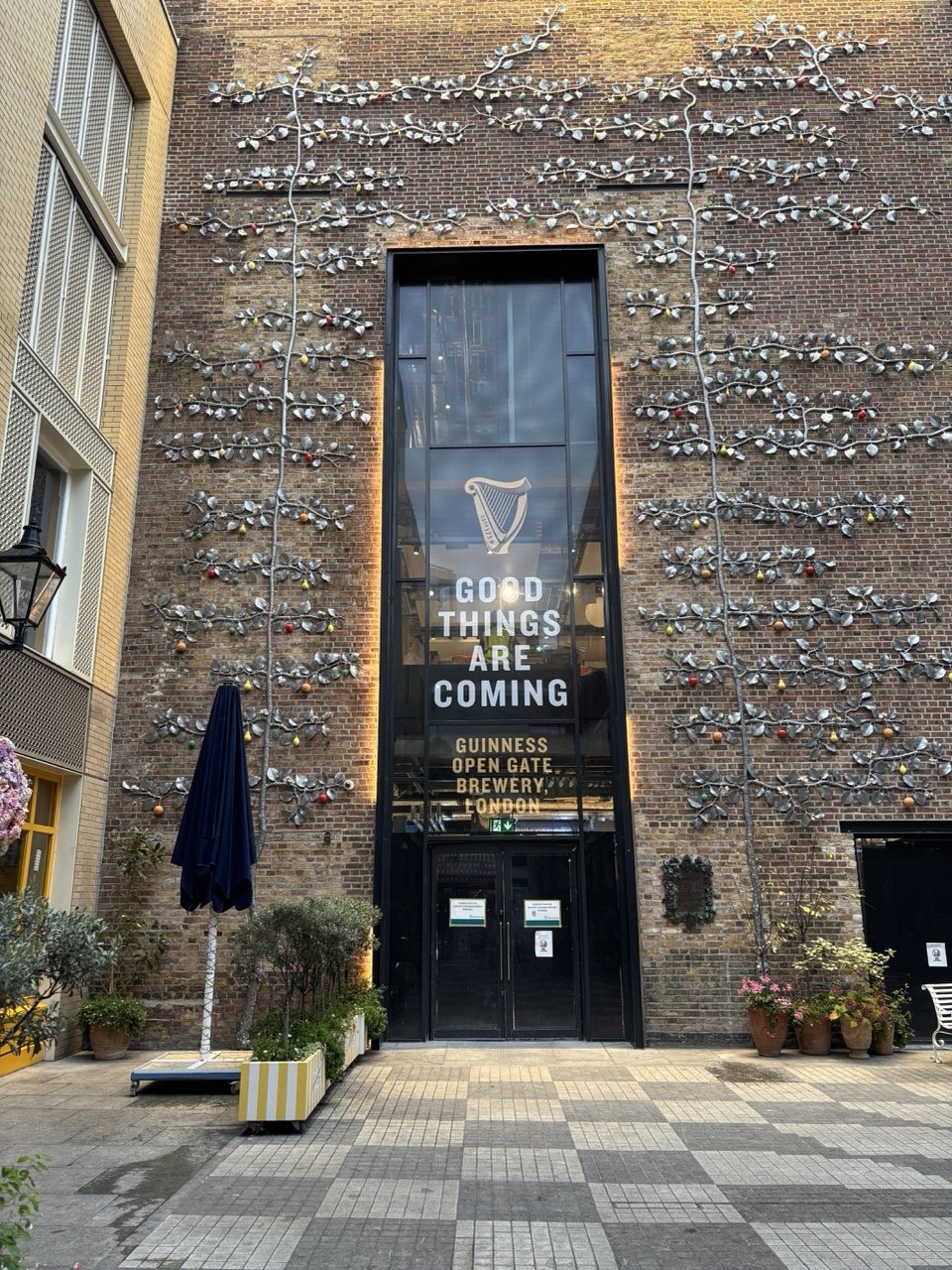
It is a very different scene, though, down on Shelton Street. Dozens of construction workers, all high-vis bibs and hard hats, scurry in and out of Old Brewer’s Yard or stand on the other side of the road, engaged in clearly very important and occasionally rather terse conversations (and/or smoking). There are cones and temporary barriers, there’s a crane levering something into position. More workers are hustling into an entrance on Langley Street, leading to the microbrewery in Mercer Street. The place is abuzz.
And for good reason. This is the new London home of Guinness, a much-hyped 54,000-square-foot “leisure and entertainment destination”, Guinness Open Gate Brewery London to give it its official name. There’ll be two restaurants run by Angela Hartnett protege Pip Lacey, Gilroy’s Loft (named for the Northumbrian who created Guinness’ iconic advertising, it’ll feature a roof terrace) and Porter’s Table; “casual” dining in the courtyard with pies designed by noted pie chef Calum Franklin; various spaces for events (a planning ruse to placate locals, no doubt); and not one but two shops, one of them offering “an always-on rotation of exclusive collaborations in fashion, art, and lifestyle, complemented by limited-edition merchandise and custom experiences.”
There’ll also be the aforementioned brewery, located across Langley Street and run by American Hollie Stephenson (as exclusively revealed in London Beer City a year ago). The windows were blacked out when I went down last week, but tickets are already on sale for tours next month.
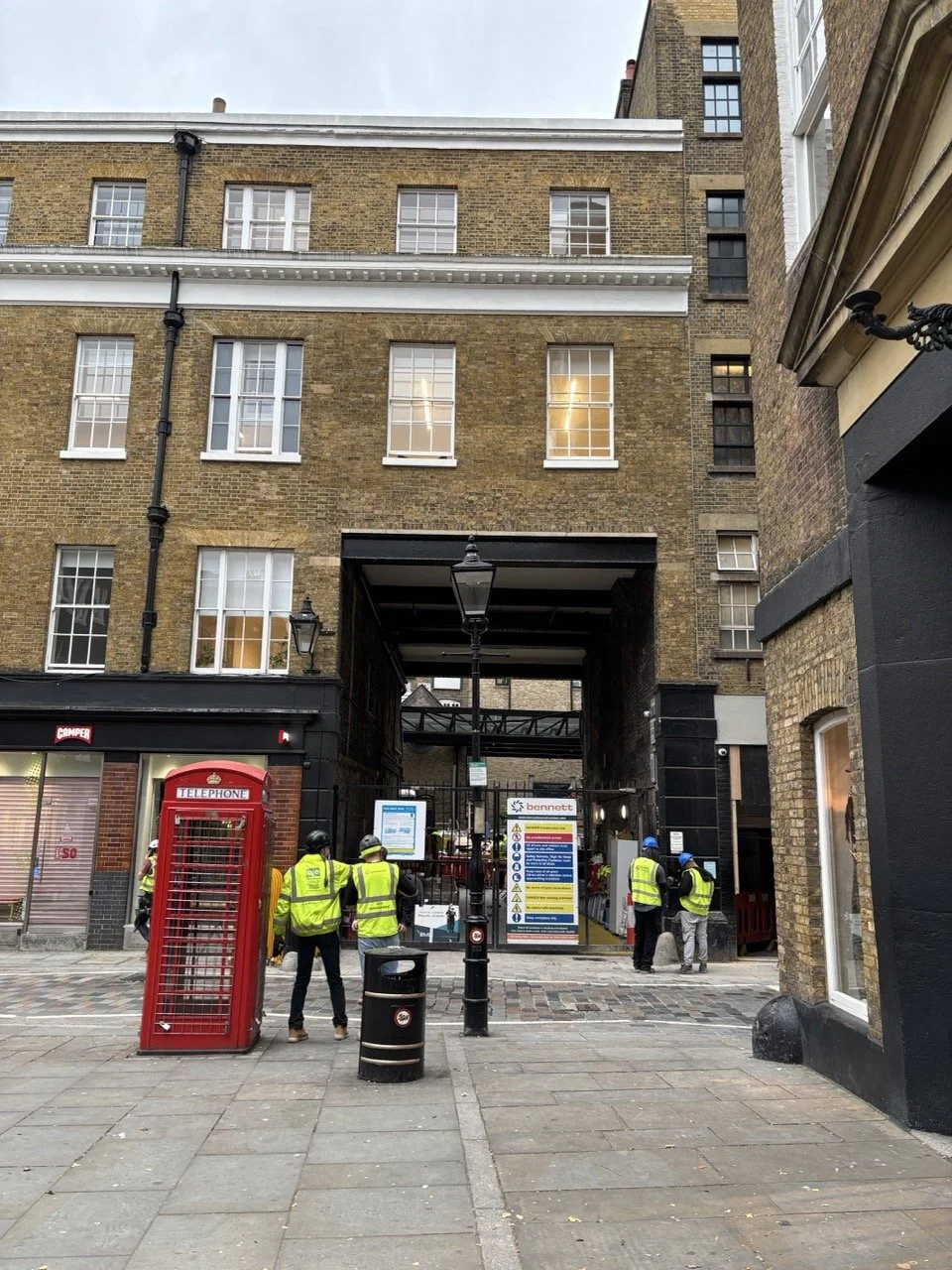
All of this will be available to Londoners in just a month’s time - but, by the looks of it, there’s a lot still to be done. A request for a pre-opening visit - pretty common in the world of hospitality journalism - was rebuffed by Guinness’s PR, a sign either that they've given exclusive rights to one of London’s slightly more important news outlets (very possible) or that things won’t be ready until right before it opens on Tuesday 11 December.
You can understand the desire to just get it open. This has been, if not quite a cursed project, then certainly an unfortunate one. First announced back in January 2022 - it was supposed to open in Autumn 2023 - it’s been bedevilled by endless planning niggles and the collapse last year of Beck Interiors, contracted by Diageo to do the fit-out. Irish firm Bennett Construction has since stepped in.
Diageo, who claimed that the project would cost £73m when it was launched, will be hoping that their four-year ordeal will soon be forgotten as Guinness-loving Millennials flock to the new development. There has to be some question marks, though: Guinness’ UK revival - a revival subsequently felt across the Atlantic - was predicated on drinkers’ desire to get back into pubs, particularly traditional ones.
The beer's modern-day popularity, indeed, goes hand-in-hand with a rise in interest in pubs: will drinkers really be taken with a glass-and-bare-brick edifice in the centre of Covent Garden? The renders for the site look pretty bland. Will it strike a nerve with Londoners or will it - as one mischievous observer put it to me earlier this month - be for Americans “who aren’t going to Dublin on their European tour”?
It’s easy to be cynical, but there is a plus side. This is the perfect spot to celebrate dark beer. Perhaps the most interesting feature of the development will be Step into the Pint, which is described as “an intimate 360-degree immersive experience that tells the story of Guinness's heritage within Covent Garden”. It’s not clear what that will include, but presumably some mention will be made of the Combe Brewery, which was located on Shelton Street in the 18th and 19th centuries.
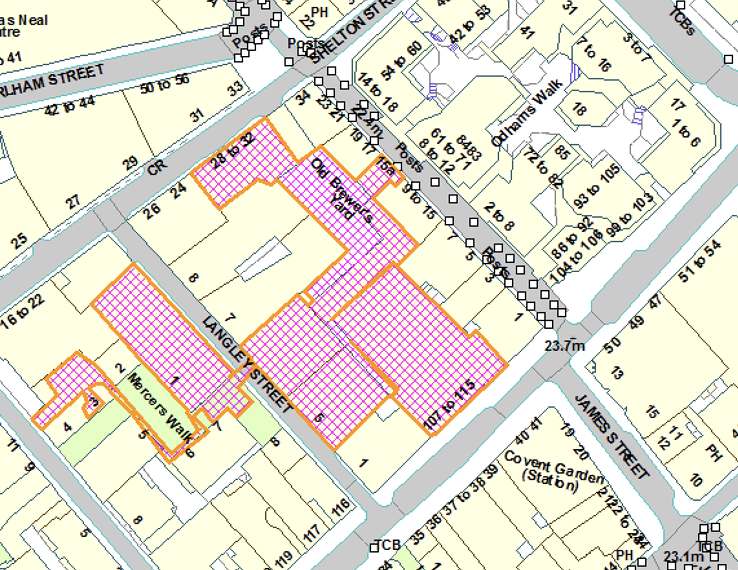
Combe was one of London’s great porter breweries; such was its significance in the early years of the 19th century that it hosted the Prince of Wales for a steak and porter dinner. Now there’s an idea for Diageo.
Guinness’ London history, of course, extends far beyond the boundaries of Covent Garden. There was a huge brewery in Park Royal, demolished only in 2006; it was here that Englishman Michael Ash led the team that invented the nitrogenated dispense system that is such a key part of Guinness’ modern appeal. The brewery itself has been headquartered in London since the 1930s, and stout, of course, is a London invention. In some (v important) ways Guinness is more British than Irish, more London than Dublin.
Not that Diageo, despite its British roots, would encourage that sort of talk; a key part of Guinness’ global appeal is its perceived Irishness, here as much as anywhere else. One of the key elements of the new development will be a pair of black timber gates at the Shelton Street entrance, designed to replicate those at the Guinness brewery at Dublin’s St James’s Gate. Will they swing open on 11 December, as planned? Watch this space.
………………………
Lady Luck
Another new drinking venue is coming to Covent Garden. (Will the locals ever sleep again?) Down on Bedford Street, the former offices of The Lady magazine are to be converted into a pub and restaurant by the team behind Soho’s Devonshire. A license was granted last month, according to the Evening Standard; it’s expected to be along the same lines as the Devonshire (pub downstairs, restaurant up) and will retain the name The Lady.
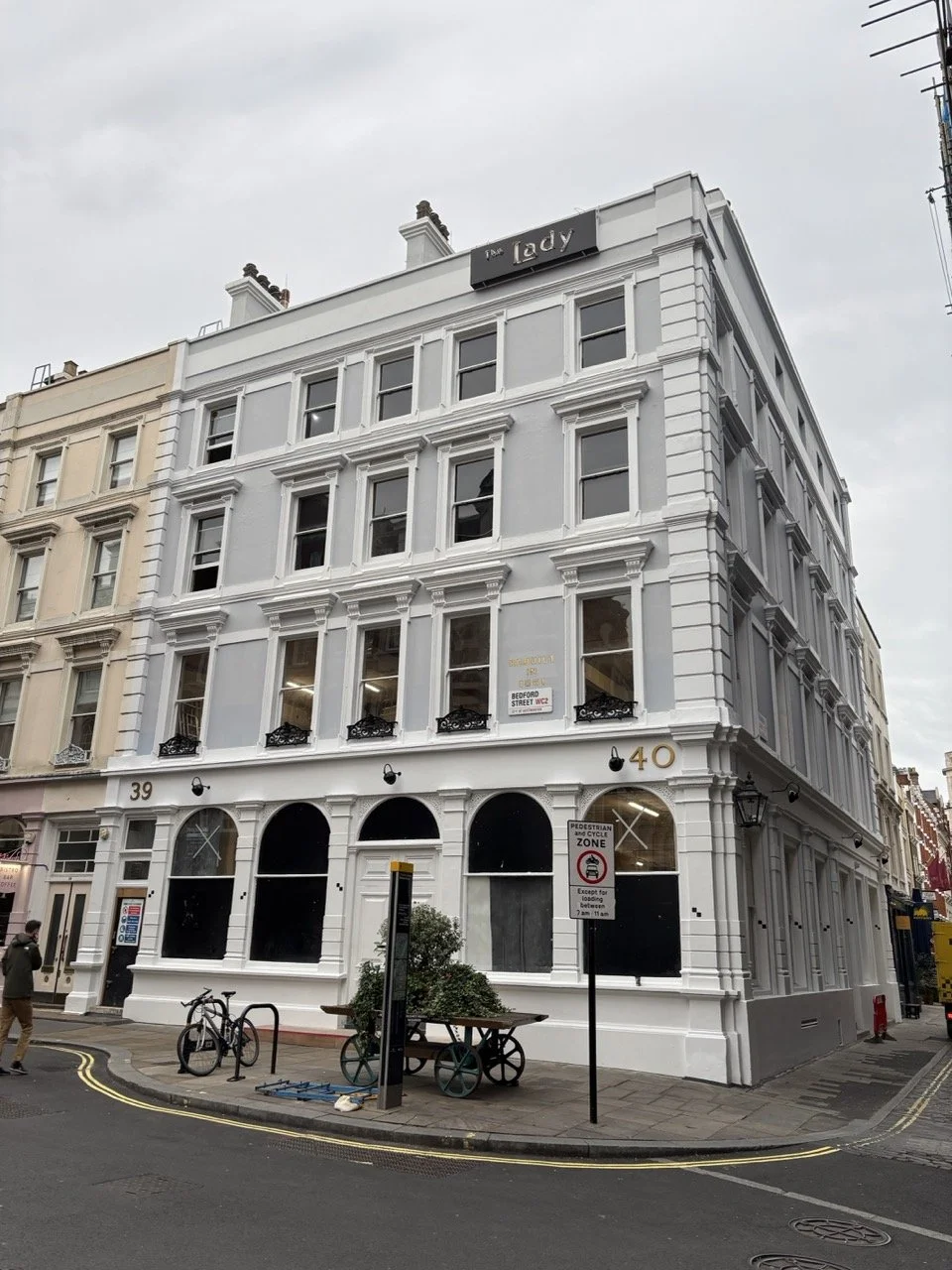
It’s an interesting spot. Diagonally across the road is a former TGI Friday’s, which closed permanently in 2022. A planning application to make it a Wetherspoon was turned down - not quite the cachet of the Devonshire boys, clearly - but it’s now been to be turned into a food hall.
………………………
Park Life
Summer seems a long way off in these soggy pre-Christmas weeks - but it will be with us before you know it, as they say. Let’s hope it’s a sunny one: next year’s London Craft Beer Festival - now billed (probably accurately) as “the UK's largest beer festival” - will take place in Southwark Park, albeit not entirely in the open air. According to head honcho Greg Wells, larger bars will have their own tents and cover, and there’ll be four or five tented beer halls for the smaller bars.
The festival - which took place this year at Magazine London, having used Tobacco Dock for a number of years - will occupy a big chunk of the southern half of the park, taking in the cricket ground and surrounding area. “This is how we've been operating in Bristol for the past decade," Greg adds. “Ultimately, venue options [in London] are very limited. Southwark feels like a good place to be.”
………………………
Dog Days
I recently wrote about the Dog and Bell, one of London’s most charismatic pubs, for Pellicle magazine. It’s a place that - for all its current popularity - has a story that tracks the recent history of our city’s pubs.
………………………
Beer 1 Cocktails 0
The Jeremy Bentham, a pub in Bloomsbury, has been brought back from the dead. Closed in 2017 when it became part of a cocktail bar chain - Simmons - it has now reopened as part of the Aldrich Inn mini-chain. This is the fledgling group’s fourth London pub, following The Newman Arms, the Goat in Fulham and the Freemasons Arms in Covent Garden (renamed The Bull and The Egret, for reasons that escape me). The group is backed by Scottish hospitality business Caledonian Heritable.
………………………
MOBO is go
The former Paxton Hotel in Norwood is to re-open as “The House of Mobo”. Owners Greene King have collaborated with the MOBO group to reopen this huge Victorian boozer in Gipsy Road. It will, a press release says, be “a vibrant community hub in South London that celebrates Black culture and reimagines what a modern pub can be.” There’ll be “live music, creative showcases and community-led events alongside a destination dining experience inspired by global influences.”
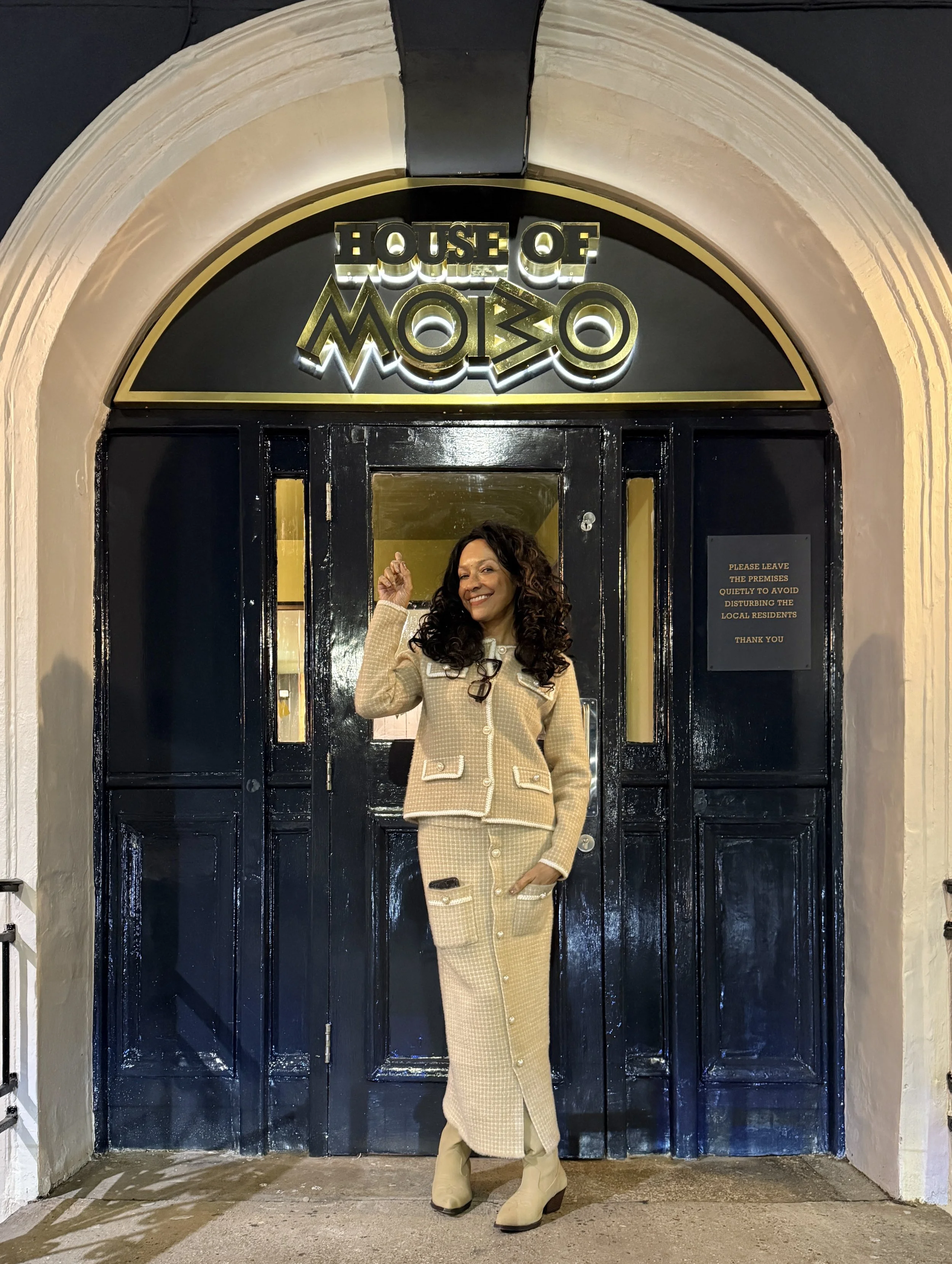
“The House of MOBO will be a home to connect, create, and be proud of who you are,” says Kanya King CBE, Founder and CEO of the MOBO Group.
………………………
Two Pubs, One City: The Black Eel; The Pembury Tavern, both E8
If - like me - you’re very observant, you’ll have noticed an interesting trend in the London pub market. In recent months, a lot of independent London brewers have been creating (and, indeed, expanding) pub and bar estates.
In just the last few weeks we’ve seen three noteworthy openings: The Black Eel in Dalston, which is run by Exale; Ye Three Lords in the City, opened by London Brewing Co this week; and John the Unicorn, which is now part of the Gosnells empire (they make mead not beer, but you get the point).
It’s obvious why this is happening. Covid-19 put the skids under a lot of hospitality businesses. While smart breweries could pivot to home delivery, pubs and bars were a bit stuck. As a result, when Covid ended, they were on the lookout for anything to help them climb out of what the Chancellor would call a fiscal black hole - which, inevitably, delivered a huge chunk of the market into the arms of the multinational brewers.
This is a problem for small producers, one they’ve been alive to for a while. Exale announced it was looking for a third venue (which turned out to be the Black Eel) last year; managing director Andy Solley told me the company was retreating from the free trade. I chatted to Five Points’ Greg Hobbs at GBBF this summer, and he said they were also looking for a new venue - albeit a lot of the places available weren’t up to snuff.
There’s another interesting element here, though. For most of London’s modern history, most pubs in the city have been owned and run by local breweries. If you were able to step back into any decade of the 20th century with the exception of the 1990s, you’d find the majority of pubs selling beer made by Whitbread, or Courage, or Truman’s, or Watney’s, and so on. From the great pub-buying panic of the late 19th century until the disastrous Beer Orders of 1989, London’s pubs were run by London’s brewers.
They’re not now. Since Fuller’s was divided into pub company and brewery, only a handful of London pubs have been directly connected to a London brewery. But now they’re taking them back, one at a time! History is a flat circle, as they say.
When I say taking them back, what I really mean is ‘opening them’, since some of these boozers are not what you might call ‘heritage’ pubs. The Black Eel, for example, used to be a pie and mash shop, F Cooke, on Kingsland High Street. On the face of it, this seems like the recipe for an almighty gentrification row: a traditional working-class eatery replaced by a traditional middle-class drinkery? Happily, though, the pie-and-mash shop (“The Buckingham Palace of Pie and Mash Shops”, as it was known) closed in 1997, so we’re spared that gruesome delight.
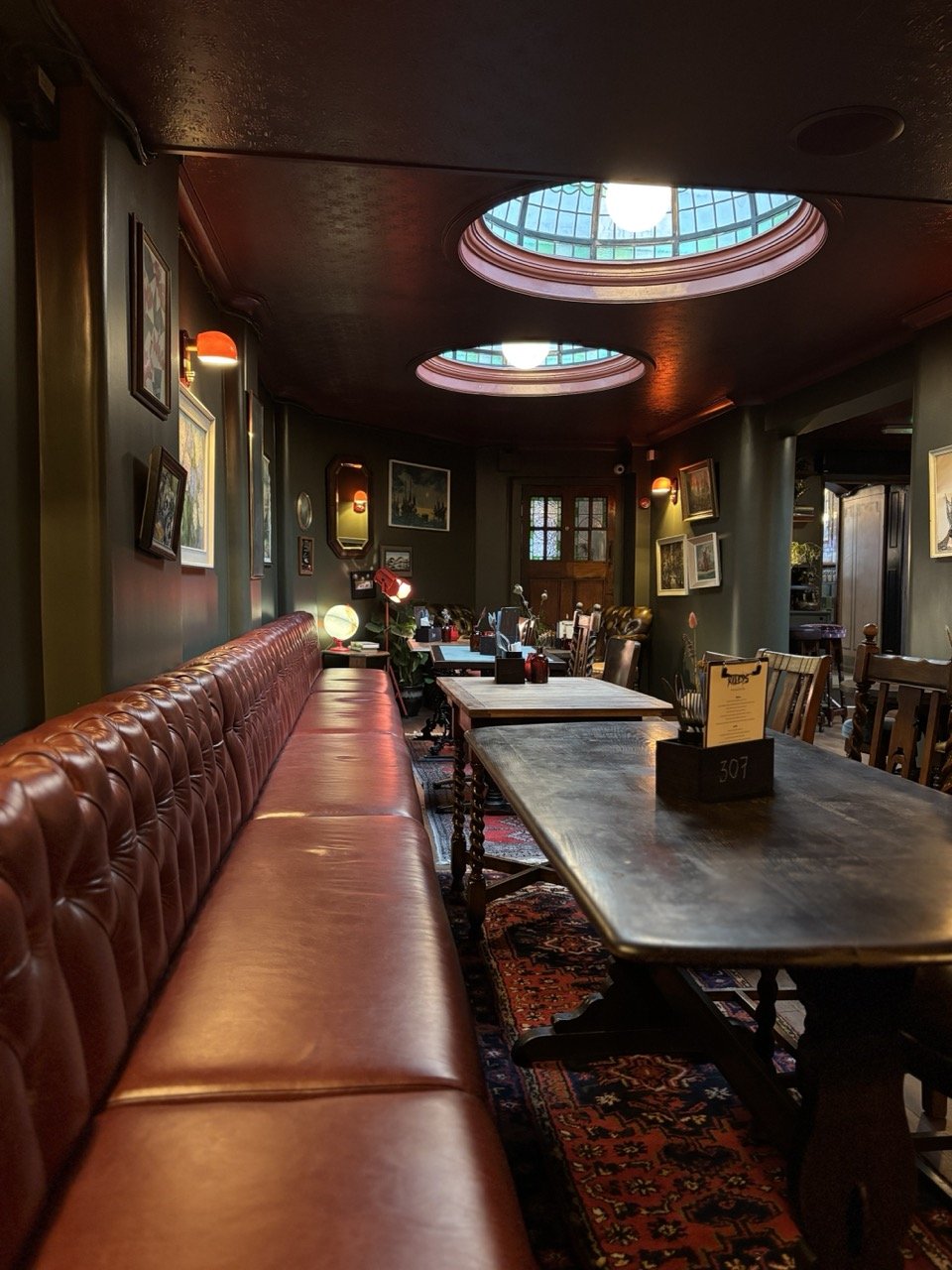
‘Delight’, by the way, is the right word for the Black Eel. Much of what made the pie shop so notable is retained, in particular a joyous mosaic on the floor at the entrance depicting an eel slithering through the letters of the word Cooke. There’s a marble-topped bar, and a (presumably new) back room with long burgundy-coloured banquettes and small glass domes in the ceiling, a bit like those in Liverpool’s Lion Tavern. There’s a games room (darts, shuffleboard) and a sizable garden with a petanque ‘pitch’ and, for some reason, a boat. It’s tardis-like, and very nice.
Alas, I have quibbles. Having ordered a pint of Mellow Gold (£6), the only cask beer available, it is served in a dimpled handled jug - the worst drinking vessel on earth. The jug of shame! Even worse, the beer inside is basically flat, which is unforgivable anyway, but even worse when you’re only serving one. Perhaps they might shift a few more pints if it wasn’t hidden behind a wooden pillar on the bar?
On a Friday afternoon, too, the place is deserted. There are two young men having a meeting in one of the rooms, but I think maybe they work here. At one point the friendly barman gives a young woman a tour of the pub; she’s clearly got her eye on hosting a party here. “This space is good for about thirty,” he tells her, helpfully, in the games room. She doesn’t ask about the cask ale (a mistake, imo).
A mixed experience, then. The walk between the Black Eel and the Pembury Tavern, though, is a delight. This is peak London. Ridley Road Market, a forbidding Victorian school, delightful terraces, railway lines going hither and thither, an unbelievable traffic SNAFU in front of the Pembury.
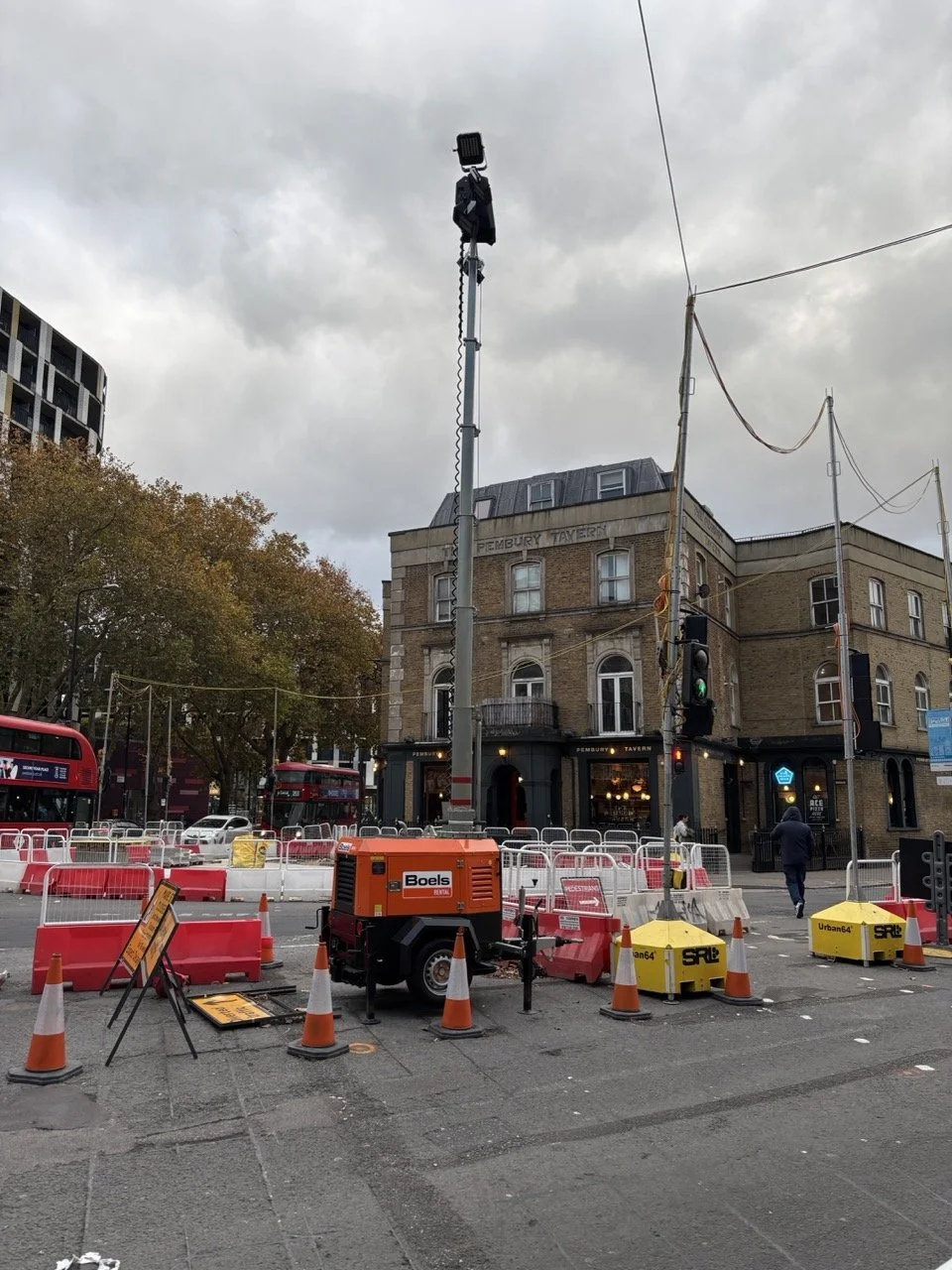
I’m buzzing when I step inside, and things only get better. First, the pub has a window sticker advertising my greatest journalistic achievement, “The 500 Best Pubs in England”. Second, the bar is heaving under the weight of superb beer, and not just from owners Five Points. I go for a pint of Burning Sky Green Hop (£6.20), which is served in a proper glass and is, I’m happy to say, probably the best beer I’ve tasted while doing this section of London Beer City. It’s a simple pleasure, pale and hoppy, but truly elegant. It’s a delight.
By this stage I’m feeling fairly well disposed towards the world. The bar staff are playing music from Nintendo games, which works better than you’d imagine, although even they get bored of something that I think comes from Ocarina of Time. I can’t identify the next selection, but it does result in two Japanese girls dancing briefly but enthusiastically.
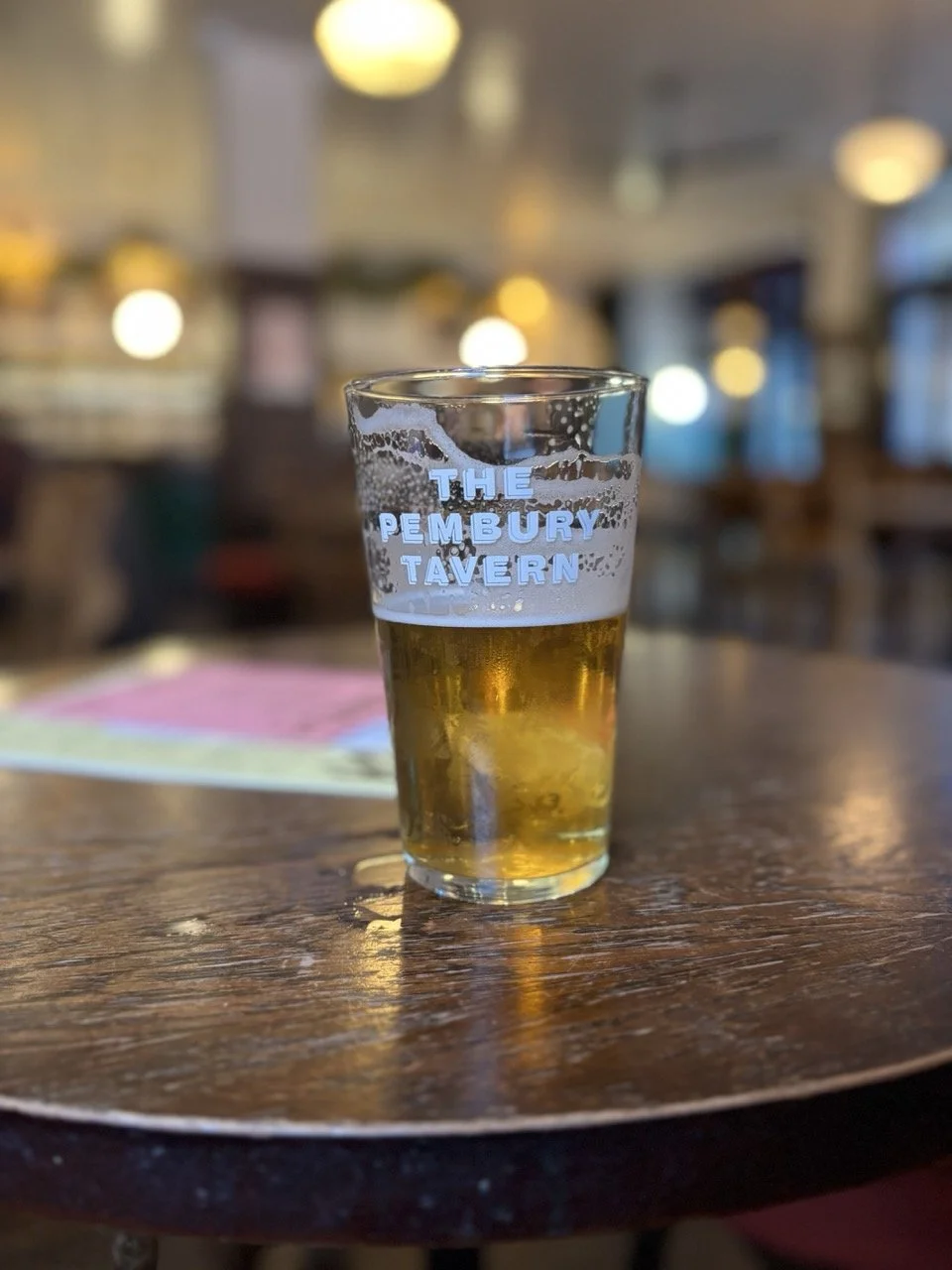
It’s much busier than the Black Eel. There are plenty of single blokes with pints - the backbone of any pub business, God bless ‘em - and some people with friends, too. A couple return their glasses to the bar before exiting - but she goes to the wrong door! “So many doors,” she says, unconvincingly.
Maybe she doesn’t want to leave. The beer’s so good I feel much the same, but - as well as being observant - I'm extraordinarily disciplined, so I return my glass to the bar and head for the correct door. I’ll be back, though.
………………………
London Beer City is written by journalist Will Hawkes. Feel free to contact me on londonbeercity@gmail.com. If you like what you’ve read, please share it with your friends; if you’ve been forwarded this email and enjoyed it, you can sign up here. Help me keep the newsletter free here. Thanks for reading!